Welcome to Rio de Janeiro
Behind the Drums: Experiencing the Samba Heart of Vila Isabel
The neighborhood of Vila Isabel hums with a different rhythm than the rest of Rio de Janeiro. Walk down Boulevard 28 de Setembro on any day of the week, and you might catch it—that unmistakable pulse of samba music drifting from the quadra, the training headquarters of one of Brazil’s most storied samba schools. For decades, visitors have been drawn to this corner of the city seeking not just a performance, but an authentic encounter with the cultural soul that makes Brazilian Carnival legendary. Unidos de Vila Isabel, officially known as Grêmio Recreativo Escola de Samba Unidos de Vila Isabel, represents more than eight decades of tradition, resilience, and artistic excellence. Understanding how tourists can participate in its rehearsals and celebrations means discovering what makes this institution so vital to Rio’s identity.
A Legacy Built on Music and Dreams
Founded on April 4, 1946, by a visionary named Antônio Fernandes da Silveira—affectionately known as Seu China—Unidos de Vila Isabel emerged from humble beginnings in the Morro dos Macacos hillside community. That first parade in 1947 carried the theme “De Escrava a Rainha,” and the school has never stopped telling stories through samba. Over the subsequent decades, the institution evolved from a local neighborhood celebration into a powerhouse within the Grupo Especial, the elite tier of Rio’s Carnival competition. Three championship victories in 1988, 2006, and 2013 cemented the school’s reputation as a force in Brazilian culture, each triumph marked by elaborate themes and devastating percussion that left judges speechless.
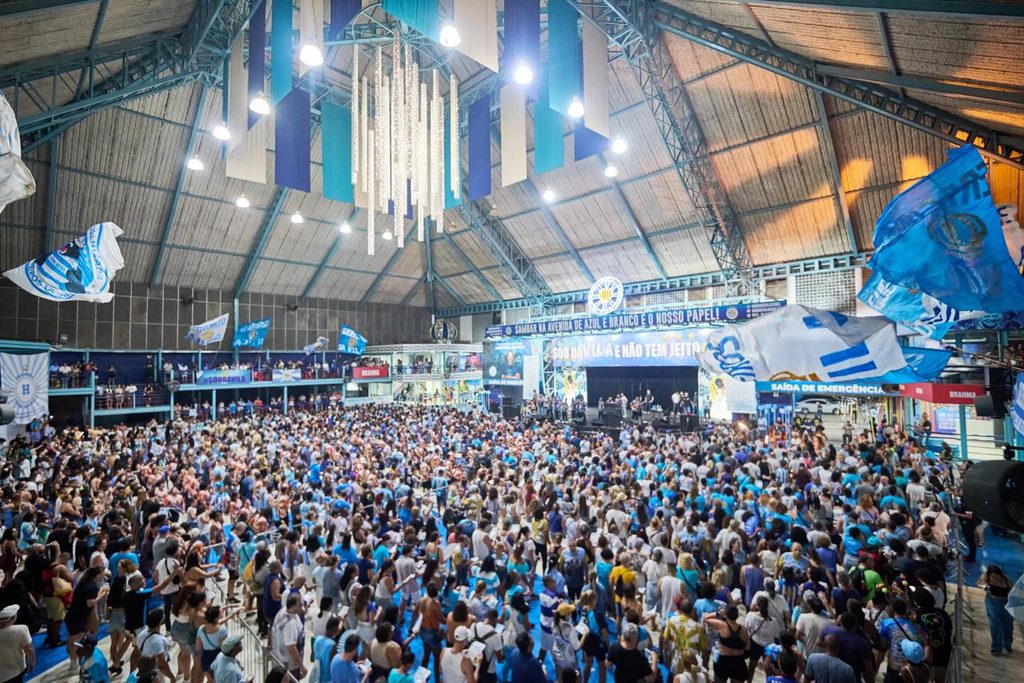
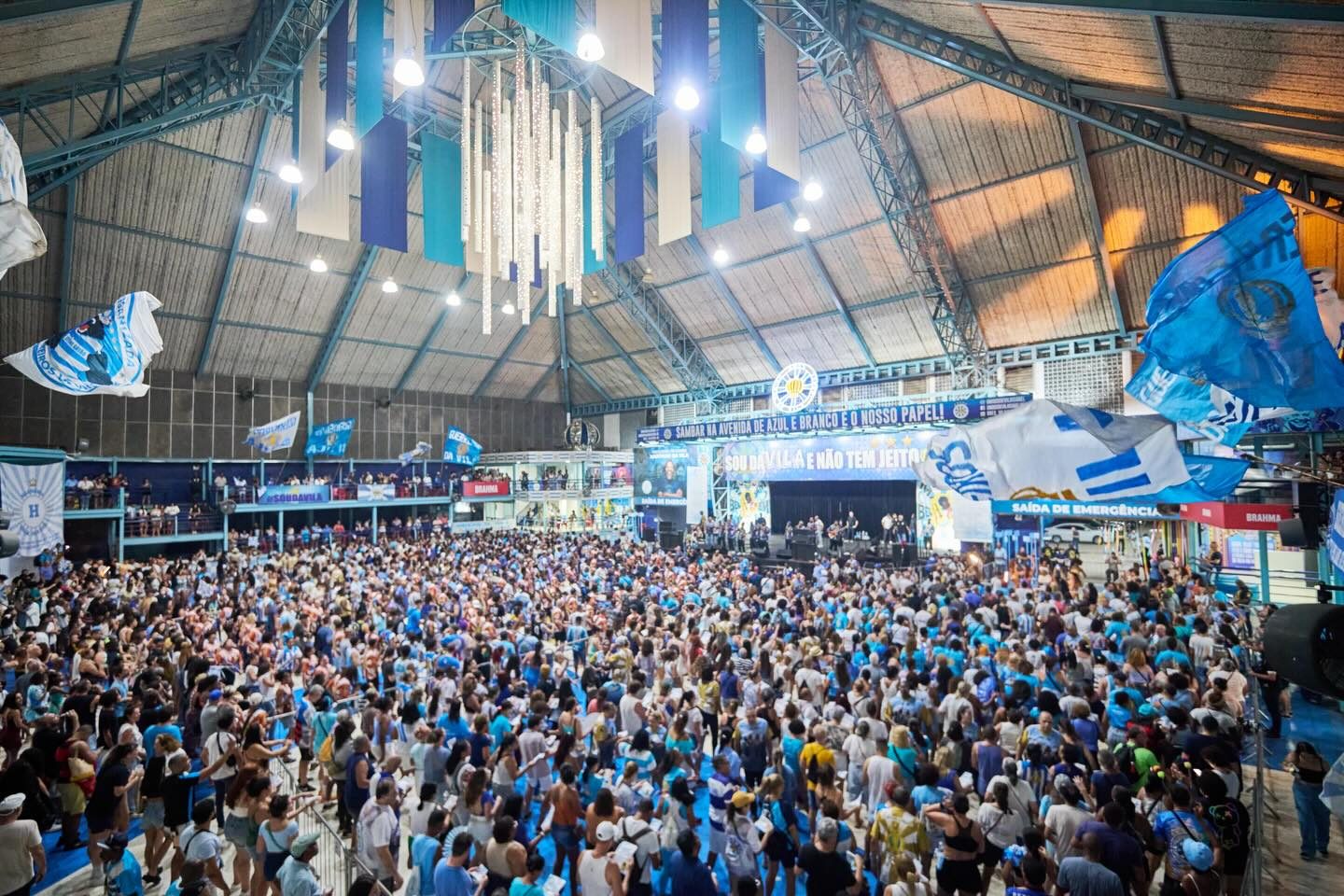
What distinguishes Unidos de Vila Isabel from many other samba schools is its deep connection to the neighborhood itself. The quadra, a sprawling facility encompassing 33,000 square meters of space, functions not merely as a rehearsal venue but as a genuine community center. With a stage spanning 300 square meters and the capacity to accommodate roughly 11,000 visitors, it ranks among Rio’s second-largest samba school complexes. More importantly, it remains a living cultural institution where music, dance, and Brazilian identity intersect year-round.
Where Samba Rehearsals Become Unforgettable Experiences
The true magic of visiting Unidos de Vila Isabel unfolds during the ensaios, the rehearsals that form the heartbeat of the school’s calendar. Unlike watching a recorded performance or attending a polished stage show, standing in the quadra during rehearsal places you directly in the creative process. Hundreds of dancers, drummers, and singers move through the space with an intensity born from genuine passion rather than theatrical staging. The percussion section, known as the bateria, thunders through rhythms that seem to make the concrete floor itself vibrate beneath your feet.
These rehearsals typically intensify as Carnival approaches, with the frequency and energy building throughout the months leading up to Rio’s famous February celebration. The ensaios attract a mix of dedicated school members, local residents, and increasingly, international travelers who have discovered this authentic entry point into Brazilian culture. Visitors mingle with community members in the bleachers, sharing in the energy and occasionally joining in the chants that punctuate the musical arrangements. The admission prices remain remarkably accessible, making these experiences available to travelers with varying budgets.
Planning Your Visit to the Quadra
Traveling to the quadra requires minimal logistical complexity, which has contributed to its growing appeal among tourists seeking genuine neighborhood experiences. The location on Boulevard 28 de Setembro places it within reach of most Rio accommodations, and the neighborhood itself offers plenty of nearby restaurants, bars, and cultural landmarks to explore before or after your visit. Many tourists combine their quadra visit with stops at other significant samba-related sites throughout Vila Isabel, creating a deeper immersion into the neighborhood’s musical heritage.
The school hosts various types of events throughout the year beyond the rehearsals themselves. Feijoada da Vila Isabel, a traditional celebration featuring the rich bean stew paired with samba music and dancing, represents another opportunity to experience the school in a more festive, celebratory mode. Shows and special performances occur regularly, each offering a different flavor of what the school represents. For those planning trips during the Carnival season, attending an ensaio in the weeks leading up to the main parade provides an incomparable preview of what the full production entails.
Information about specific rehearsal dates and ticket prices can be obtained through local tourism resources or by contacting the school directly. The venue’s management generally makes scheduling information available several months in advance, allowing travelers to incorporate visits into their Rio itineraries with confidence. Many tour operators in the city also offer package experiences that include quadra visits, often bundled with meals or additional cultural activities in the neighborhood.
The Connection Between Tradition and Modern Tourism
The relationship between Unidos de Vila Isabel and tourism has evolved thoughtfully in recent years. The school understands that tourism brings both economic opportunity and a responsibility to maintain the authentic cultural experience that initially attracted visitors. This balance becomes evident in how the institution structures its public events and maintains its community focus while welcoming outsiders. Recent initiatives, including participation in cultural tourism routes developed by Brazilian tourism authorities, demonstrate how heritage institutions can adapt without compromising their fundamental mission.
The “Três Apitos” route, named after a famous Noel Rosa composition, showcases ten historical stops throughout Vila Isabel that together tell the story of samba’s evolution in this neighborhood. This circuit connects visitors with the physical spaces and cultural landmarks that shaped not just Unidos de Vila Isabel but the entire samba tradition in Rio. Walking this route and culminating in a visit to the school’s quadra provides visitors with context and depth that enriches their understanding of what they’re witnessing during rehearsals.
Beyond the Carnival: Vila Isabel’s Year-Round Rhythm
Many travelers mistakenly assume that samba schools operate only during Carnival season, but this perception misses the profound reality of how these institutions function within their communities. Unidos de Vila Isabel maintains an active calendar throughout the entire year, with regular rehearsals, performances, and social events that keep the culture alive between February celebrations. The school serves as a gathering place for musicians, dancers, and community members who live samba as an integral part of their daily existence rather than as a seasonal performance art.
For visitors willing to venture beyond the typical tourist circuit, incorporating time at the quadra into a Rio trip represents one of the most authentic cultural experiences available in the city. You gain exposure to music created and performed by Brazilian artists in their element, operating within a cultural and social context that predates and transcends commercial entertainment. The energy, joy, and artistic commitment evident during rehearsals cannot be replicated through any mediated experience.
Making the Most of Your Visit
Attending your first ensaio at Unidos de Vila Isabel requires minimal preparation but benefits from a few practical considerations. Wear comfortable clothing suitable for a warm indoor venue where you may remain standing or moving throughout the event. Bring water, as the energy and heat inside the quadra can be intense during peak rehearsal sessions. Arrive with openness and curiosity rather than expectations shaped by Carnival parade broadcasts or stereotypical representations of samba culture. The experience unfolds at its own pace, with moments of spectacular percussion and movement interspersed with quieter periods where the school’s leadership discusses choreography or musical arrangements with performers.
Consider visiting during the weeks leading up to Carnival when energy reaches its peak, but recognize that off-season rehearsals offer equally valuable cultural encounters with smaller crowds and a more relaxed atmosphere. Speak with locals, ask questions about the music and choreography, and let the experience emerge organically. Many friendships between visitors and school members have begun with simple curiosity during rehearsals, demonstrating the social openness that characterizes these community spaces.
The quadra of Unidos de Vila Isabel ultimately represents something increasingly rare in our globalized world: a space where authentic cultural expression remains central rather than peripheral. It is a place where samba lives not as nostalgia or commercial product, but as the living heartbeat of a community that has sustained and celebrated this music for over eighty years. For travelers seeking genuine cultural connection during their time in Rio de Janeiro, few experiences rival the opportunity to stand in that vibrating space, surrounded by the percussion, voices, and movement that define Brazilian samba at its essence.