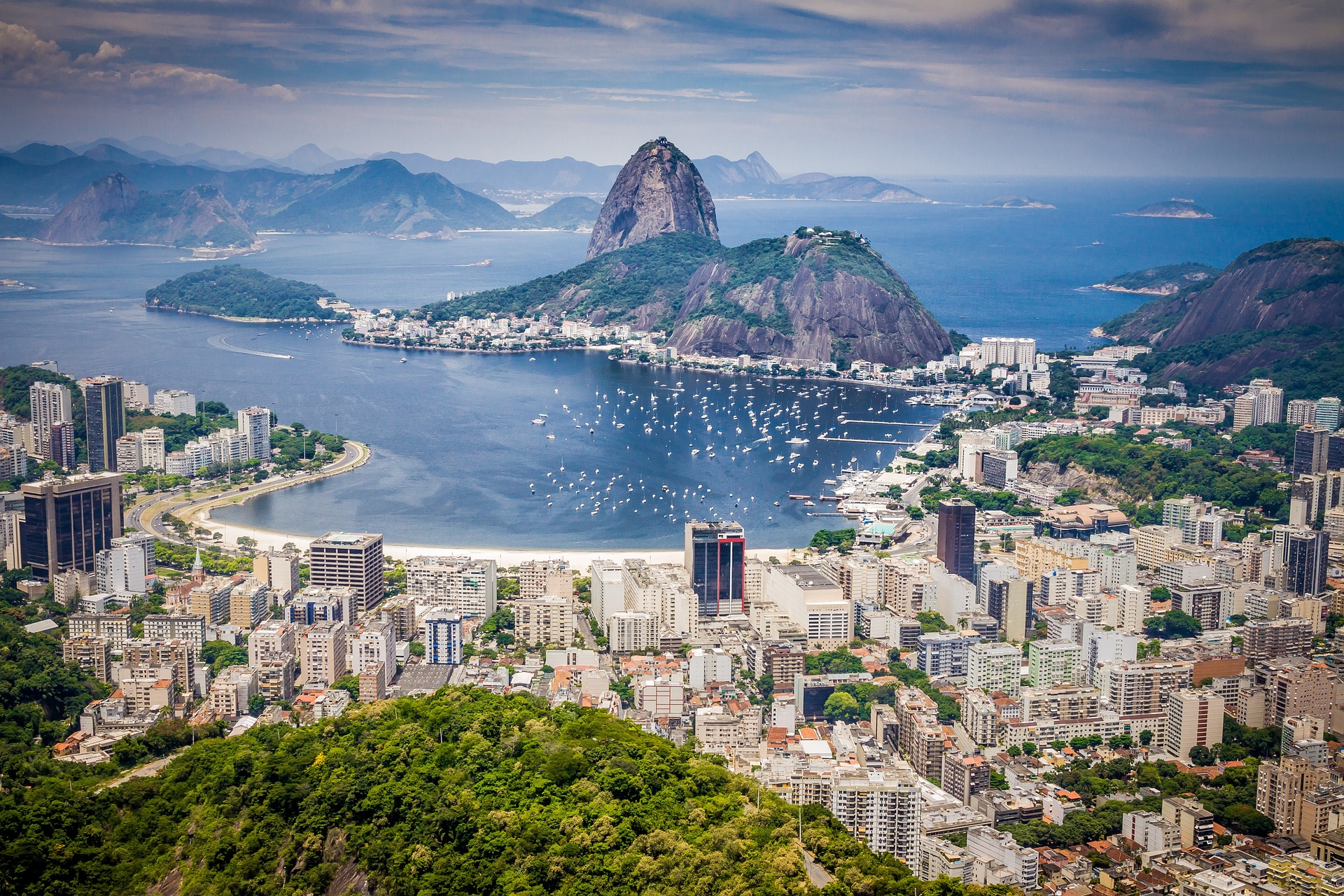
Welcome to Rio de Janeiro
Barra da Tijuca: Rio’s Modern Beach Frontier Where City Meets Ocean
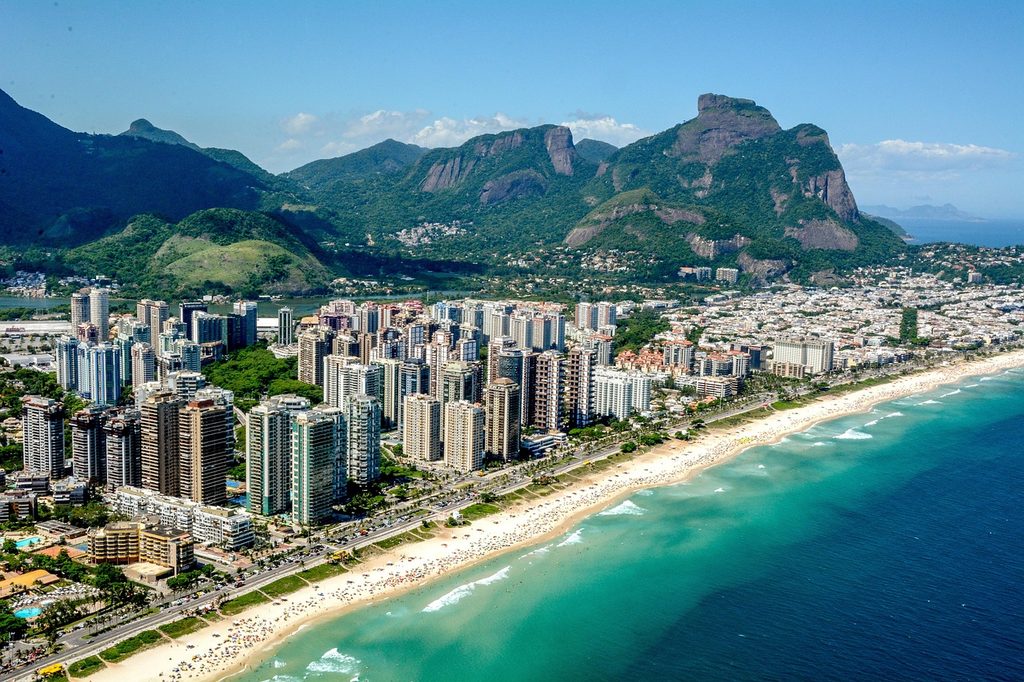
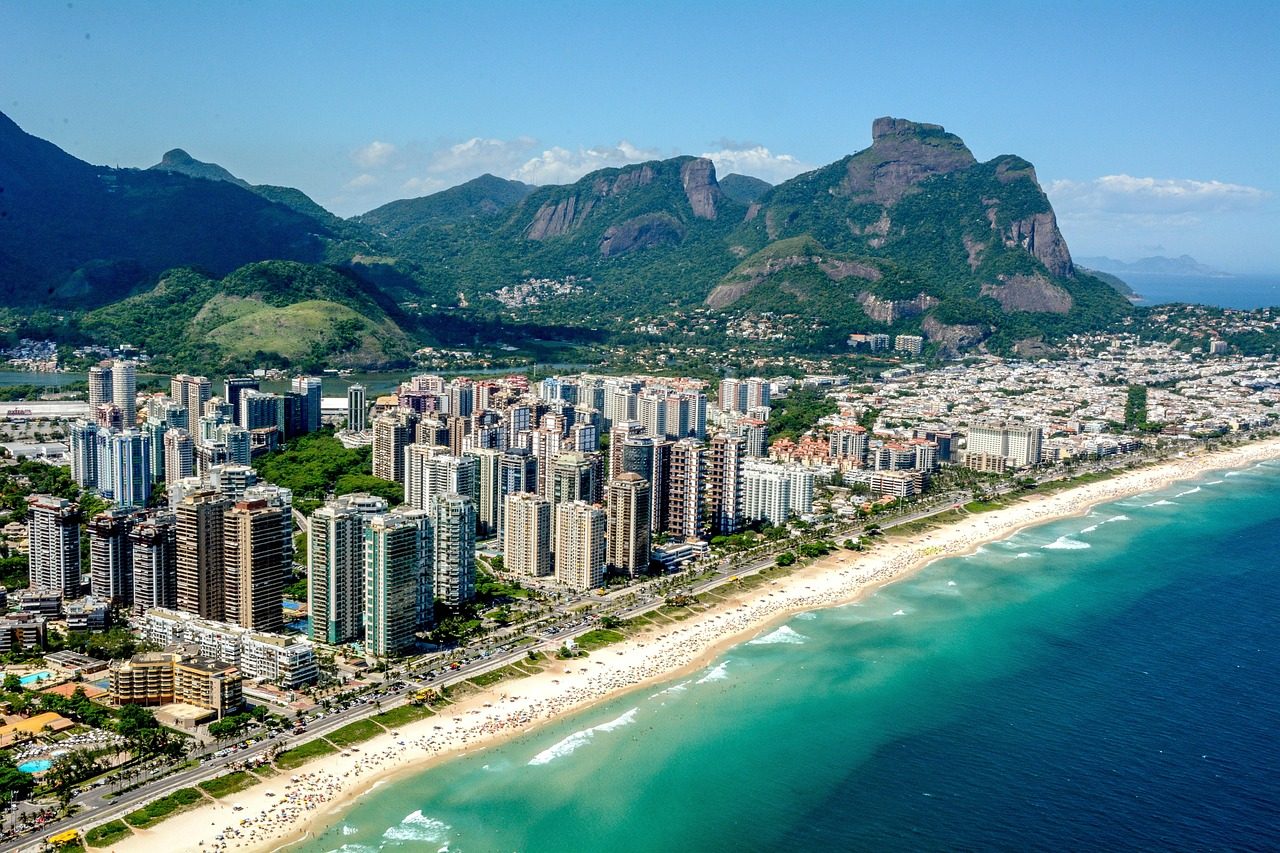
There is a place in Rio de Janeiro where the skyline resembles Miami more than the colonial charm of the old city center. Where seventeen kilometers of uninterrupted sand stretch toward the horizon, and where luxury condominiums stand shoulder to shoulder with some of the most ambitious shopping centers in South America. This place is Barra da Tijuca, the youngest neighborhood in Rio and arguably its most contradictory.
Barra, as locals call it, does not seduce visitors with the same immediate intensity as Copacabana or Ipanema. The beach here is too vast, too exposed, too modern in its sensibility. Yet for travelers who seek space over crowds, contemporary comfort over bohemian nostalgia, and infrastructure that actually functions, Barra offers something that the older, more famous zones of Rio simply cannot match. It provides room to breathe.
The Beach That Refuses to End
The numbers alone tell part of the story. Depending on where one measures, the sand extends for somewhere between fourteen and eighteen kilometers, making it the longest beach in the city by a considerable margin. It begins at Morro do Joá, that rocky outcrop where the mountains meet the sea, and continues westward through the next neighborhood of Recreio dos Bandeirantes without interruption. The Atlantic crashes against a shore wide enough to accommodate cyclists, runners, football games, and families spreading their towels without ever feeling cramped.
What strikes first-time visitors is the democratic nature of this space. Similar to Rio’s southern beaches (Zona Sul), Barra’s shore welcomes everyone from wealthy apartment owners stepping out of their beachfront towers to working-class families arriving by bus from the distant suburbs. The waves here are famously consistent, drawing surfers, bodyboarders, and kitesurfers year-round. The water is clean and swimmable, a fact that cannot be taken for granted along Brazil’s urban coastline.
From Forgotten Coastline to Olympic Stage
The history of Barra reveals how quickly landscapes can transform when infrastructure arrives. For most of the nineteenth and early twentieth centuries, this coastal plain remained isolated, a stretch of sand dunes and lagoons unsuitable for agriculture and largely ignored by the growing metropolis to the east. The land belonged to agricultural enterprises that saw little value in the terrain.
Everything changed with concrete. The construction of the Lagoa Barra Highway and the Yellow Line Highway (linha amarela) connecting the district to the international airport turned an inaccessible fringe into prime real estate. Development accelerated through the 1970s and 1980s, fueled by a vision of US-American-style suburban living transplanted to tropical soil. Wide avenues, gated communities, and shopping malls replaced the dunes. By 2016, when the Olympic and Paralympic Games descended upon the city, Barra had become the logical choice to host the events. Its arenas, athlete villages, and transportation networks represented the modern face Brazil wanted to project to the world.
Where Shopping Became an Attraction
In Barra, commerce is not merely a necessity but a destination in itself. The Barra Shopping center, which opened its doors in October 1981, now draws approximately two and a half million visitors each month through its corridors. With over six hundred stores ranging from international chains to local boutiques, plus a cinema complex styled after New York City architecture, the mall functions as a social anchor for the neighborhood.
For those whose tastes run more exclusive, the Village Mall offers a different experience entirely. Opened in December 2012, this high-end complex concentrates luxury brands, sophisticated restaurants, and one of the most modern cinema theaters in Rio. The Village Mall does not merely sell products; it curates a lifestyle. These are not places where tourists simply buy souvenirs. They are environments where visitors observe how Brazil’s affluent class lives, works, and relaxes.
Finding Your Place by the Sea
The hotel infrastructure in Barra reflects the neighborhood’s ambition and diversity. Options range from accessible business hotels to genuine luxury properties, many positioned within walking distance of the beach. The Windsor Oceânico stands out with its panoramic terrace and direct access to the sand, consistently earning high marks from travelers who prioritize location above all else. The Grand Hyatt offers a different proposition entirely, surrounding guests with the amenities and service standards expected by an international business and leisure clientele.
Even mid-range properties like the Hilton Barra or the TRYP by Wyndham deliver comfort levels that would command premium rates in more central neighborhoods. The competition among hotels here benefits visitors directly. Properties must maintain high standards to survive, and the concentration of options means that travelers can select accommodations matched precisely to their preferences and budgets without sacrificing proximity to the beach.
The Rhythm of Barra After Dark
When the sun sets over the Atlantic, Barra reveals another dimension of its personality. The nightlife here operates on its own schedule, one closer to Miami than to traditional Rio. The evening begins late, often with pre-night drinks at beachfront bars where the dress code remains casual and the ocean breeze moderates the tropical heat. Around midnight, the energy shifts toward clubs and lounges where dancing continues until five or six in the morning.
This is not the informal, spontaneous socializing of the city’s older neighborhoods. Barra’s night scene is organized, commercial, and intentional. Reservations matter. Appearances matter. Yet within this structure, there is genuine pleasure to be found. The combination of international influences and carioca warmth creates spaces that feel both exotic and familiar to foreign visitors. One can find excellent sushi bars, Brazilian steakhouses serving endless meat courses, and pizza restaurants where the all-you-can-eat tradition has been elevated to performance art.
Beyond the Built Environment
For all its modernity, Barra remains connected to natural wonders that predate its development. Driving west through Recreio leads to Grumari and Prainha, beaches protected within environmental reserves where development restrictions have preserved coastline that looks much as it did centuries ago. These are not places for convenience. Reaching them requires effort, and the lack of infrastructure means visitors must bring everything they need for the day. The reward is sand and water that feel genuinely wild, a reminder of what this entire coast was before the asphalt arrived.
Joatinga Beach presents another option, accessible only by car and sheltered between rocky outcrops. Many locals consider it among the most beautiful beaches in the city, though beauty here demands sacrifice. There are no vendors, no lifeguards, no facilities. Just sand, sea, and the cliffs rising behind.
Barra da Tijuca resists simple categorization. It is simultaneously the future that Rio imagined for itself and a warning about the costs of unchecked development. For travelers, it offers practical advantages that are difficult to ignore: dependable infrastructure, excellent hotels, endless beach, and a concentration of restaurants and entertainment that makes independent exploration easy. Yet it also asks visitors to engage with questions about what cities become when they prioritize comfort over character, convenience over chaos.
Those who approach Barra expecting the Rio of postcards will leave confused or disappointed. But those who accept the neighborhood on its own terms, who embrace its contradictions and its scale, often find themselves returning. There is something seductive about a place so committed to its own vision of modernity, so unapologetic about its ambitions. Barra does not ask to be loved. It simply exists, vast and complex, waiting for visitors to discover what it has to offer.