Welcome to Rio de Janeiro
Paying Your Way in Rio de Janeiro: What Tourists Actually Need to Know
Visitors arriving in Rio de Janeiro often worry about how to handle money in a foreign country where they do not speak the language. The reality is simpler than most fear. Brazil has a modern banking infrastructure, and the payment methods that work in New York, London, or Berlin work in Rio too. Understanding the specifics saves money and prevents frustration, but it does not require learning a new financial system.
Credit and Debit Cards: Your Primary Tool
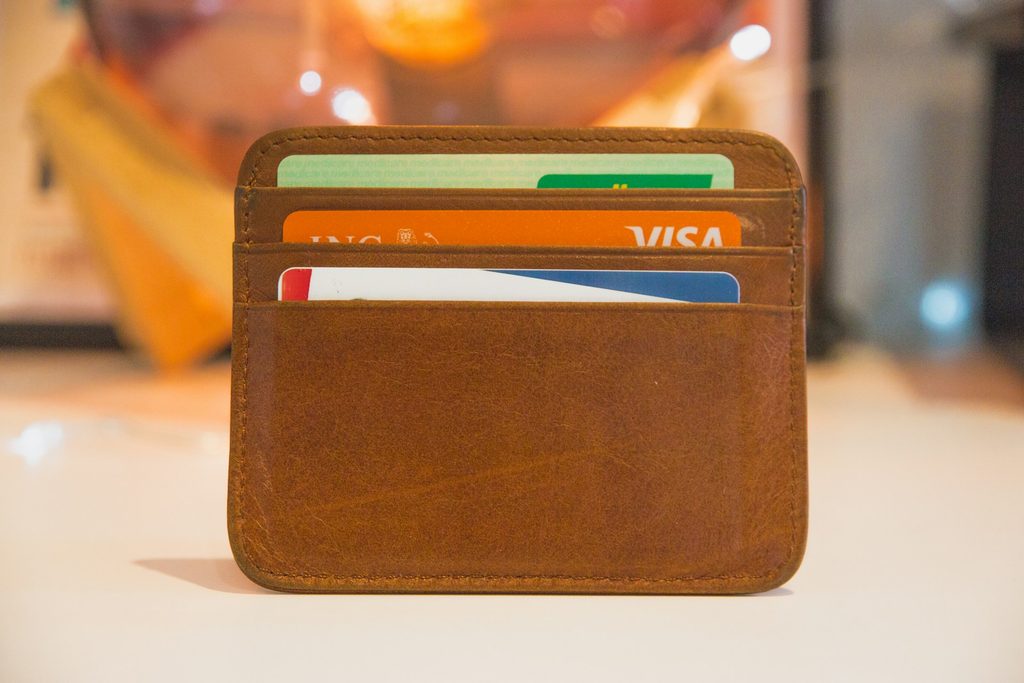
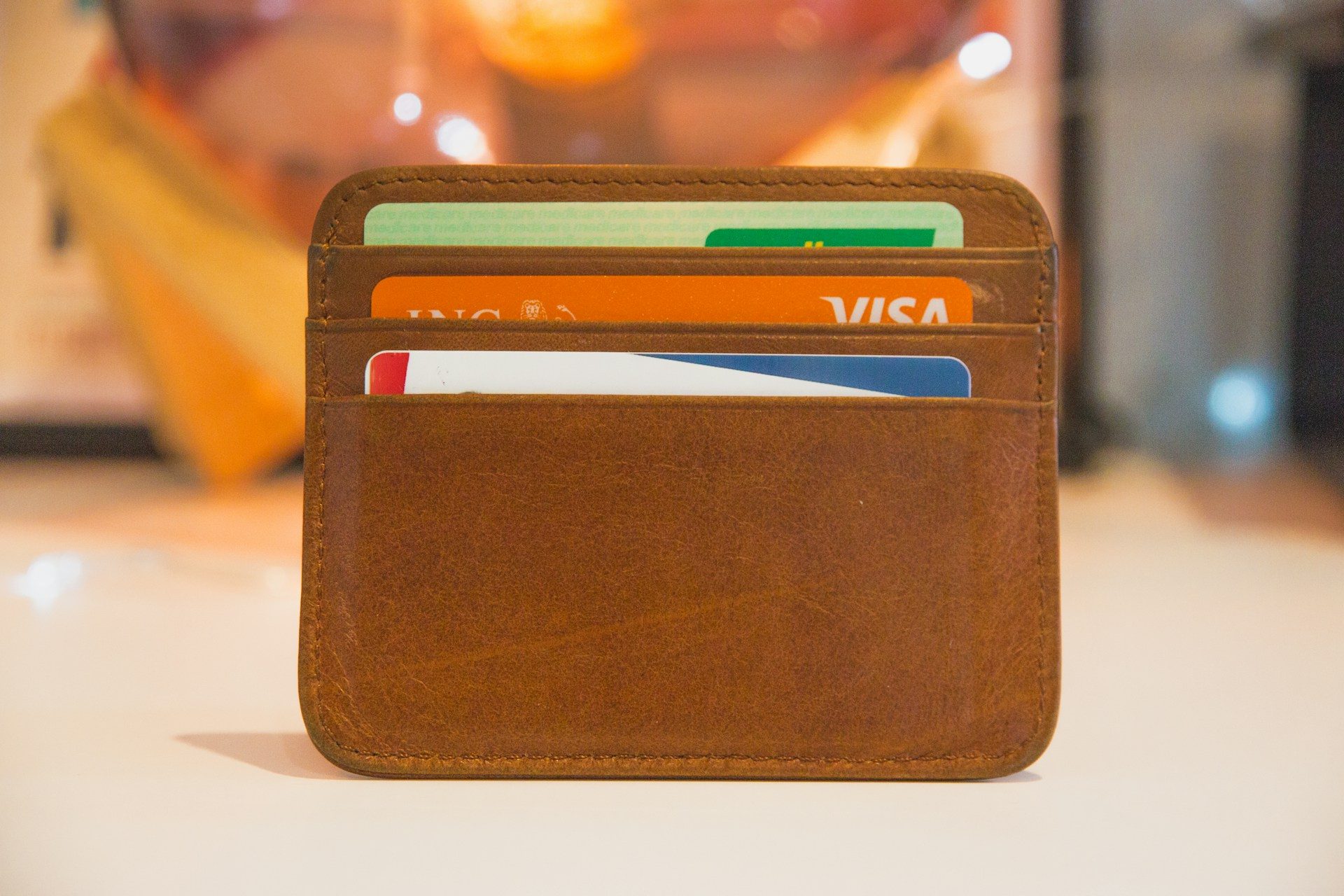
For most tourists, plastic remains the most convenient payment method throughout Rio. Visa and Mastercard enjoy near-universal acceptance at hotels, restaurants, supermarkets, and shops in all neighborhoods where visitors typically stay. Whether you are dining in Leblon, shopping in Barra da Tijuca, or paying for museum entry in downtown Rio, your card will work without complication.
American Express has more limited coverage. High-end hotels and international chain restaurants usually accept it, but smaller businesses often do not. Discover cardholders face even greater restrictions, with acceptance largely limited to major hotels and a handful of upscale retailers. Carrying a Visa or Mastercard as your primary card eliminates most payment friction.
When using cards at terminals or ATMs, always choose to be charged in Brazilian reais rather than your home currency. This option appears on screen during payment or withdrawal. Selecting your home currency triggers dynamic currency conversion, where the merchant or ATM operator applies an exchange rate typically 3 to 7 percent worse than the market rate. Your own bank converts the transaction at the interbank rate, which saves money on every purchase.
Contactless payments have become standard in Rio. Most terminals accept tap-to-pay for transactions under 200 reais without requiring a PIN. For larger amounts, you will insert the card and enter your PIN or sign, depending on your card’s configuration. This works identically to Europe and North America.
Where Cash Still Matters
Despite the prevalence of cards, cash remains necessary for specific situations. Street vendors, neighborhood bars, small eateries outside tourist zones, and local buses operate largely or entirely on cash. Some shops that technically accept cards impose minimum purchase requirements, often 20 or 30 reais, which proves inconvenient when you only want a bottle of water or a quick snack.
Tipping culture in Rio also runs on cash. While restaurants often include a 10 percent service charge that can be added to the card bill, hotel porters, cleaning staff, and tour guides expect cash tips. Carrying small bills for these situations prevents awkward moments.
The Brazilian real uses a decimal notation. Amounts display with periods as thousand separators and commas for decimals. A price shown as R$ 3.000,75 means three thousand reais and seventy-five centavos, not three reais. Double-checking receipts prevents costly misunderstandings, especially at restaurants or when handling large withdrawals.
Getting Cash: ATMs and Their Quirks
Automated teller machines in Rio work reliably with foreign cards, but they operate differently from machines in Europe or North America. The Banco 24 Horas network provides the widest availability, with machines in shopping centers, gas stations, and street locations throughout the city. These ATMs accept international Visa and Mastercard debit cards but charge a fee of approximately 20 reais per withdrawal. Also all Bradesco banks and sometimes Santander accept international cards.
Daily withdrawal limits typically range between 1000 and 2,500 reais, depending on your home bank’s restrictions and the specific ATM network. This limit means you cannot pull out a large lump sum at once. Plan for multiple smaller withdrawals throughout your trip, or visit a bank branch during business hours for larger amounts with teller assistance.
One practical detail catches many visitors off guard. For security reasons, many Brazilian ATMs, particularly those inside bank branches, shut down overnight. Operating hours typically run from 6:00 AM to 10:00 PM. If you need cash for late-night activities, withdraw during the day. Finding a functional ATM at midnight may require traveling to a 24-hour shopping mall.
Location matters for security. ATMs inside shopping centers, hotel business centers, and bank lobbies offer safer environments than isolated street machines. Cover the keypad when entering your PIN, and remain aware of your surroundings. If someone stands uncomfortably close or attempts to distract you, cancel the transaction and leave.
Currency Exchange: Avoiding Expensive Mistakes
Exchanging cash before departure or upon arrival requires some planning. The worst rates typically appear at airport currency exchanges and hotels. The casas de câmbio at Galeão International Airport and Santos Dumont Airport offer convenient service but poor exchange rates and high fees. The same applies to hotel exchange desks.
Better rates exist at neighborhood exchange offices in commercial districts like Centro, though rates vary significantly between providers. Always compare rates at two or three locations before committing. Brazilian law requires identification for all currency exchange transactions, so carry your passport when visiting a casa de câmbio.
Bank branches handle exchanges during business hours, typically 10:00 AM to 4:00 PM on weekdays. This option requires patience and paperwork but sometimes offers better rates than airport exchanges. The process involves filling out forms and presenting identification, so allow extra time.
The most practical approach for most visitors combines several methods. Arrive with a small amount of reais obtained from your home bank before departure, use ATMs for the bulk of your cash needs, and rely on cards for major expenses. This diversification protects against any single system failing and minimizes the amount of cash you carry at any given time.
Safety and Practical Considerations
Street crime in Rio, while often exaggerated in the media, requires sensible precautions. The fundamental rule is simple: never display large amounts of cash or expensive electronics in public. Counting money on the street, pulling out a thick wallet, or wearing flashy jewelry draws attention that serves no purpose.
For daily outings, carry only what you need. A moderate amount of cash for small purchases, one credit card, and a copy of your passport suffice for most activities. Leave the original passport and backup cards in your hotel safe. When heading to beaches or crowded tourist areas, take minimal valuables. Waterproof pouches sold by beach vendors hold cash and a phone while swimming.
Notify your bank of your travel dates before departure. Foreign transactions trigger fraud alerts at many institutions, and having your card frozen on your first day in Rio creates unnecessary stress. A two-minute phone call or online notification prevents this problem.
PIX: The Local System Worth Knowing About
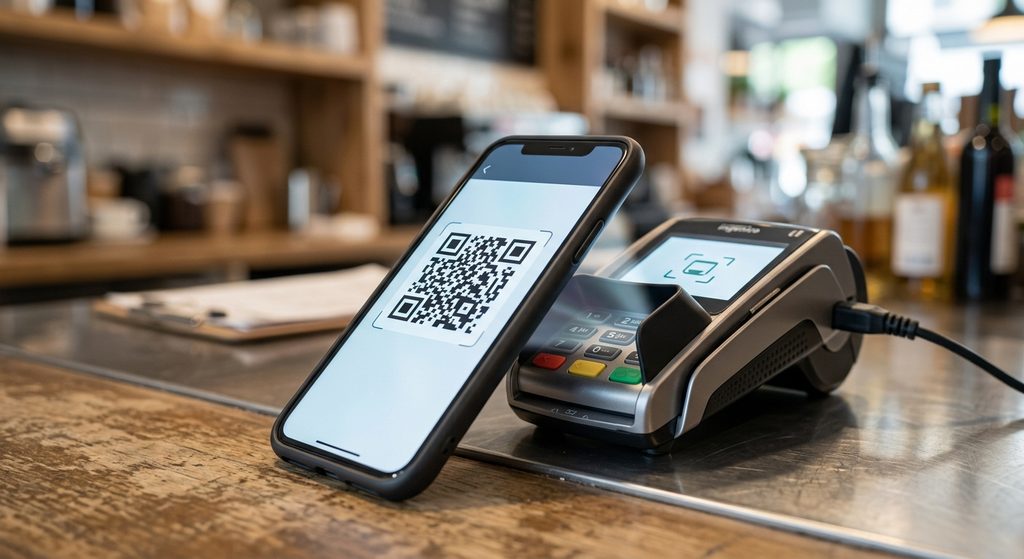
Brazil has developed an instant payment system called PIX that dominates domestic transactions. Over half of all payments in the country now flow through this network, including at many merchants frequented by locals. However, PIX was designed for Brazilian residents and requires a local tax ID and bank account to use traditionally.
For short-term visitors, PIX remains largely inaccessible. A growing number of fintech apps now offer PIX functionality to foreigners without Brazilian bank accounts, but these services require setup, verification, and often charge fees. For tourists staying less than a week or two, the effort rarely justifies the benefit.
Cards and cash handle virtually every situation a typical visitor encounters. Understanding that PIX exists helps explain why some local businesses prefer it, but tourists should not worry about lacking access. Your standard payment methods work fine throughout Rio.
With cards as your primary tool, cash for small purchases and tips, and sensible security habits, handling money in Rio presents no special difficulty. The infrastructure is modern, the rules are straightforward, and the occasional quirks are manageable with minimal preparation.